As a professional belt conveyor systems manufacturer, we design and produce custom conveyor solutions for efficient and reliable material handling. Belt conveyor systems play a critical role in industrial production, logistics, mining and food processing by reducing manual labor, improving safety and optimizing workflow efficiency.
Our belt conveyor systems are widely supplied to customers across Southeast Asia, South America and Eastern Europe, where durability, cost-effectiveness and adaptability to challenging operating conditions are essential. With in-house engineering and manufacturing capabilities, we provide belt conveyor solutions tailored to different materials, load capacities and layout requirements.
This guide introduces the working principles, types, applications, selection considerations and maintenance practices of belt conveyor systems, helping you choose the right solution for your project.
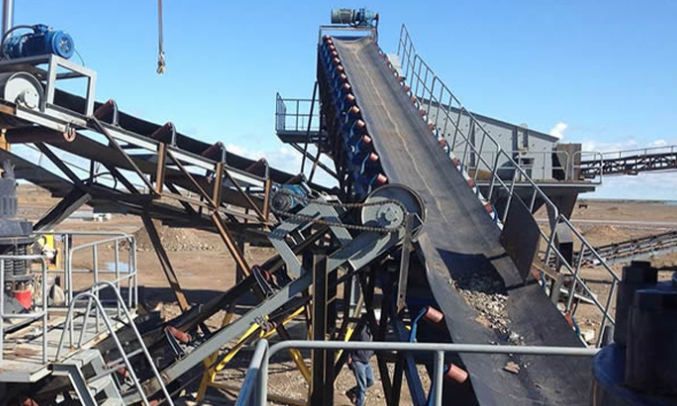
A belt conveyor system is a continuous material handling system that uses a flexible belt driven by pulleys to transport materials from one point to another. Compared with manual handling or intermittent conveying equipment, belt conveyors offer stable operation, high efficiency and low operating cost.
As a manufacturer, we focus on designing belt conveyor systems that operate reliably under real industrial conditions, including dusty environments, heavy loads and long conveying distances.
A complete belt conveyor system consists of several key components that work together to ensure stable and efficient operation:
The drive system includes the motor, gearbox and drive pulley. It provides the power required to move the belt and the material load. Motor power is selected based on conveying distance, belt speed and load capacity.
The conveyor belt is the main load-carrying component. Common belt materials include rubber, PVC and stainless steel. Belt selection depends on material type, temperature, abrasion level and hygiene requirements.
The frame supports the entire conveyor system. Carbon steel frames are widely used for general industrial applications, while stainless steel frames are preferred for food, pharmaceutical and corrosive environments.
Idlers and support beds reduce belt sag, minimize friction and help maintain belt alignment. Proper idler spacing is critical for long-distance and heavy-duty belt conveyor systems.
Control systems include start/stop controls, emergency stop devices and optional speed regulation. Safety devices are essential to ensure safe operation in industrial environments.
As a belt conveyor systems manufacturer, we supply various conveyor types to match different operating requirements:
Rubber belt conveyors are suitable for heavy-duty applications such as mining, quarrying and bulk material handling. They offer excellent wear resistance and impact resistance.
PVC belt conveyors are lightweight and cost-effective, widely used in logistics, warehousing and light industrial applications. Food-grade PVC belts are suitable for hygienic conveying.
Stainless steel belt conveyors provide superior corrosion resistance and hygiene, making them ideal for food processing, pharmaceutical and chemical industries.
Belt conveyor systems can be designed for different load capacities, from light-duty conveying of packaged goods to heavy duty belt conveyor systems for bulk materials and pallets.
Mining projects in South America and Eastern Europe often require heavy duty belt conveyor systems with long conveying distances and high load capacity. Our conveyors are designed to operate reliably in dusty and high-impact environments.
Warehouse belt conveyor systems improve sorting, loading and unloading efficiency. They are widely used in distribution centers across Southeast Asia.
Food-grade belt conveyor systems ensure hygienic and safe transportation of food products. Smooth belt surfaces allow easy cleaning and maintenance.
Belt conveyors are commonly used for pallet handling, assembly lines and material transfer between production processes.
Selecting the right belt conveyor system is critical for long-term performance and cost control. Key factors include:
Material characteristics: weight, size, temperature and abrasiveness
Conveying distance and layout: horizontal, inclined or curved paths
Load capacity: light, medium or heavy duty requirements
Operating environment: dust, humidity, corrosion and hygiene standards
Budget considerations: balancing initial investment and long-term operating cost
Our engineering team can help evaluate these factors and recommend a suitable custom belt conveyor solution.
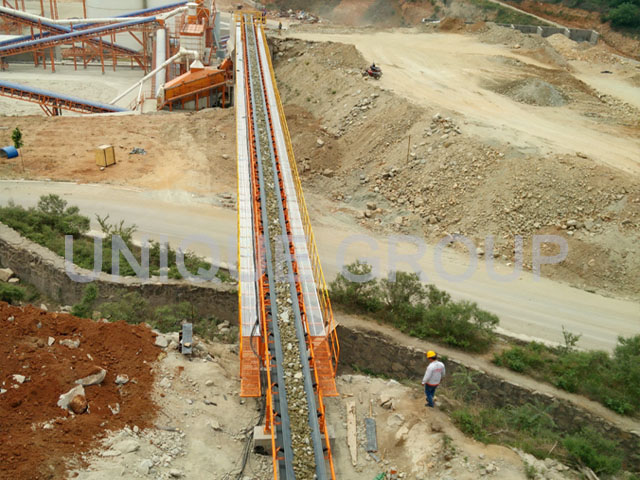
We are not a trading company. We are a belt conveyor systems manufacturer with in-house production and engineering support.
Our advantages include:
Custom belt conveyor design based on project requirements
Strong and durable frames for harsh industrial environments
Experience in exporting conveyor systems to Southeast Asia, South America and Eastern Europe
Cost-effective solutions for emerging markets
Technical support from design to installation
From standard conveyors to fully customized systems, we help customers build efficient and reliable material handling solutions.
Proper operation and maintenance are essential for safe and efficient belt conveyor performance:
Regularly inspect belt tension, alignment and wear
Keep conveyor belts and idlers clean to avoid material buildup
Lubricate bearings and rotating components as required
Ensure safety guards and emergency stop devices are functional
Preventive maintenance helps reduce downtime and extend equipment service life.
If you are looking for a reliable belt conveyor systems manufacturer, we are ready to support your project.
Tell us about your material type, capacity, conveying distance and installation conditions. Our engineers will provide technical support, drawings and a competitive quotation for your belt conveyor system.
Contact us today to discuss your belt conveyor project.