Belt Conveyor Machine: The Ultimate Guide for Efficient Material Handling

2026-03-25 17:13:27

In modern industries such as mining, construction, cement, and logistics, the belt conveyor machine has become an essential system for efficient material handling. Whether transporting bulk materials like limestone, coal, or sand, or moving packaged goods in warehouses, belt conveyors significantly improve productivity while reducing labor costs.

This comprehensive guide will help you understand how belt conveyor machines work, their types, applications, advantages, and how to choose the right system for your project.
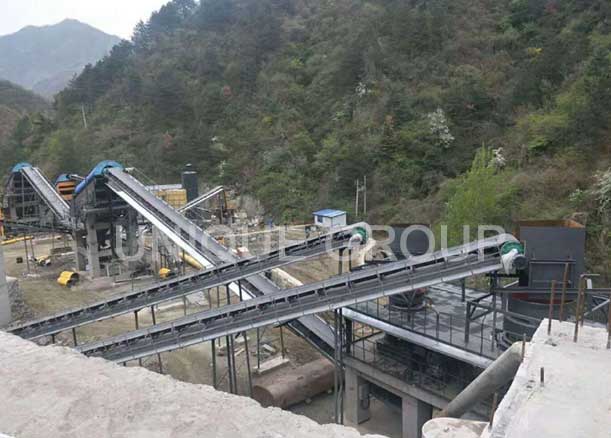

What Is a Belt Conveyor Machine?

A belt conveyor machine is a mechanical system designed to transport materials continuously using a moving belt. The belt is driven by pulleys and supported by rollers, enabling smooth and efficient movement of materials over long distances.

Key Components of a Belt Conveyor

  • Conveyor Belt – The carrying medium (rubber, PVC, or steel cord)
  • Drive Pulley – Powers the belt movement
  • Idlers/Rollers – Support the belt and load
  • Motor & Gearbox – Provide driving force
  • Frame Structure – Supports the entire system

How Does a Belt Conveyor Work?

The working principle of a belt conveyor machine is relatively simple:

  1. The motor drives the pulley.
  2. The pulley moves the conveyor belt.
  3. Materials are placed on the belt.
  4. The belt transports materials from one point to another.

This continuous operation makes belt conveyors ideal for high-capacity and long-distance material transport.


Types of Belt Conveyor Machines

Choosing the right type of belt conveyor depends on your material and application. Below are the most common types:

1. Flat Belt Conveyor

  • Suitable for general material handling
  • Widely used in warehouses and packaging lines

2. Inclined Belt Conveyor

  • Designed for transporting materials at an angle
  • Prevents material slipping with cleated belts

3. Trough Belt Conveyor

  • Ideal for bulk materials like coal, sand, and gravel
  • Belt forms a trough shape for higher capacity

4. Mobile Belt Conveyor

  • Flexible and portable
  • Common in construction and mining sites

5. Pipe Belt Conveyor

  • Enclosed system to prevent dust pollution
  • Suitable for environmentally sensitive projects

Applications of Belt Conveyor Machines

Belt conveyors are used across a wide range of industries:

  • Mining Industry – Transporting ores, coal, and aggregates
  • Construction – Handling sand, gravel, and concrete materials
  • Cement Plants – Moving clinker and raw materials
  • Ports & Terminals – Loading and unloading bulk cargo
  • Logistics & Warehousing – Parcel handling and sorting

Advantages of Belt Conveyor Machines

1. High Efficiency

Continuous operation allows for large-volume material transport.

2. Cost-Effective

Reduces labor costs and energy consumption compared to manual handling.

3. Long-Distance Transport

Can move materials over several kilometers.

4. Low Maintenance

Simple structure ensures easy maintenance and long service life.

5. Customizable Design

Can be tailored for different materials, environments, and capacities.


How to Choose the Right Belt Conveyor Machine

Selecting the right conveyor system is crucial for efficiency and cost control. Consider the following factors:

1. Material Type

  • Bulk or packaged?
  • Abrasive or sticky?

2. Capacity Requirements

Measured in tons per hour (TPH) or units per hour.

3. Conveying Distance & Angle

Incline and distance affect motor power and belt design.

4. Working Environment

  • Temperature
  • Humidity
  • Dust conditions

5. Budget & Maintenance

Balance initial investment with long-term operating costs.


Belt Conveyor Design Considerations

A well-designed belt conveyor system improves performance and lifespan. Key considerations include:

  • Belt width and speed
  • Roller spacing
  • Power requirements
  • Safety devices (emergency stop, guards)
  • Dust control systems

Maintenance Tips for Belt Conveyor Machines

Regular maintenance ensures optimal performance:

  • Inspect belt alignment and tension
  • Lubricate moving parts
  • Replace worn rollers
  • Clean accumulated materials
  • Monitor motor and gearbox performance

Future Trends in Belt Conveyor Technology

With advancements in automation and sustainability, belt conveyor machines are evolving:

  • Smart Monitoring Systems (IoT) for predictive maintenance
  • Energy-efficient motors to reduce power consumption
  • Eco-friendly designs with reduced dust and noise
  • Automation integration in Industry 4.0 systems

Conclusion

A belt conveyor machine is a vital component in modern material handling systems, offering efficiency, reliability, and scalability. Whether in mining, construction, or logistics, choosing the right conveyor system can significantly impact productivity and operational costs.

By understanding the types, applications, and selection criteria, businesses can make informed decisions and maximize their return on investment.


Home Tel Mail Inquiry